Best Urdu Poetry,
Urdu poetry is one of the most elegant and expressive literary traditions in the world. It captures the delicate emotions of love, pain, faith, and beauty in a way that touches the most profound aspects of the heart. Rooted in Persian and Arabic heritage, Urdu poetry beautifully blends rhythm and emotion, transforming simple words into a melody of feelings. From the romantic verses of Mirza Ghalib to the revolutionary passion of Faiz Ahmed Faiz, Urdu poets have shaped a legacy that continues to inspire readers across generations.
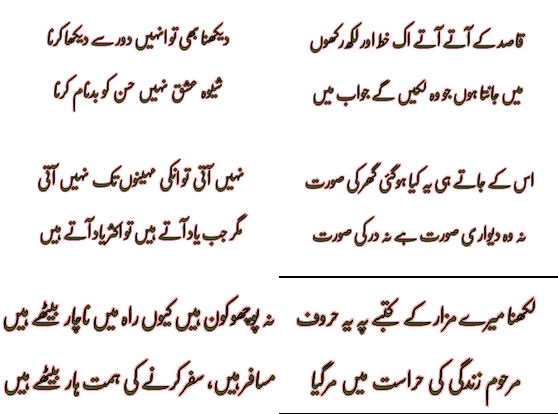
The Essence of Urdu Poetry
At its core, Urdu poetry is the art of expressing what words alone cannot. It paints emotions with imagery, metaphors, and symbolism. The poets, or shairs, often explore the duality of love and loss, the beauty of nature, and the mysteries of existence. Whether spoken, written, or sung, Urdu poetry remains a mirror of the human soul, graceful, profound, and eternal.
Trending posts this month: How to Build Muscle Without a Gym: The Ultimate Guide to Gaining Strength at Home
Famous Couplets (Sher) in Urdu and Roman Urdu
1.
دل ہی تو ہے نہ سنگ و خشت، درد سے بھر نہ آئے کیوں
روئیں گے ہم ہزار بار، کوئی ہمیں ستائے کیوں
Dil hi to hai na sang-o-khisht, dard se bhar na aaye kyun
Royenge hum hazaar baar, koi humein sataye kyun
2.
محبت میں نہیں ہے فرق جینے اور مرنے کا
اسی کو دیکھ کر جیتے ہیں، جس کافر پہ دم نکلے
Mohabbat mein nahi hai farq jeene aur marne ka
Usi ko dekh kar jeete hain, jis kaafir pe dam nikle
3.
وقت کرتا ہے پرورش برسوں
حادثہ ایک دم نہیں ہوتا
Waqt karta hai parwarish barson
Haadsa aik dam nahi hota
4.
ہم کو ان سے وفا کی ہے امید
جو نہیں جانتے وفا کیا ہے
Hum ko unse wafa ki hai umeed
Jo nahi jaante wafa kya hai
5.
لب پہ آتی ہے دعا بن کے تمنا میری
زندگی شمع کی صورت ہو خدایا میری
Lab pe aati hai dua ban ke tamanna meri
Zindagi shama ki soorat ho khudaya meri
6.
کوئی امید بر نہیں آتی
کوئی صورت نظر نہیں آتی
Koi umeed bar nahi aati
Koi soorat nazar nahi aati
7.
محبت اگر سچی ہو، تو کبھی ختم نہیں ہوتی
یہ وہ خوشبو ہے جو دل سے نہیں جاتی
Mohabbat agar sachchi ho, to kabhi khatam nahi hoti
Yeh woh khushbu hai jo dil se nahi jaati
8.
غم ہستی کا اسد کس سے ہو جز مرگ علاج
شمع ہر رنگ میں جلتی ہے سحر ہونے تک
Gham-e-hasti ka Asad kis se ho juz marg ilaaj
Shama har rang mein jalti hai sahar hone tak
9.
خودی کو کر بلند اتنا کہ ہر تقدیر سے پہلے
خدا بندے سے خود پوچھے، بتا تیری رضا کیا ہے
Khudi ko kar buland itna ke har taqdeer se pehle
Khuda bande se khud pooche, bata teri raza kya hai
10.
تم آئے تو بہار آئی، چمن مہکا
تم گئے تو خزاں چھا گئی، دل جلنے لگا
Tum aaye to bahaar aayi, chaman mehka
Tum gaye to khizaan chha gayi, dil jalne laga
FAQs about Urdu Poetry:
Q1. What makes Urdu poetry unique?
Urdu poetry is known for its emotional depth, rich vocabulary, and musical rhythm. It expresses universal human feelings with unmatched grace and intensity.
Q2. Who are the most famous Urdu poets?
Some of the most celebrated Urdu poets include Mirza Ghalib, Allama Iqbal, Faiz Ahmed Faiz, Mir Taqi Mir, Parveen Shakir, and Ahmad Faraz.
Q3. What are the main types of Urdu poetry?
The major forms of Urdu poetry are Ghazal, Nazm, Qasida, Marsiya, and Rubaiyat, each carrying its own theme and structure.
Q4. Can non-native speakers understand Urdu poetry?
Absolutely. Urdu poetry has been translated and transliterated worldwide. Its themes of love, pain, and faith connect with people beyond language barriers.
Q5. What role does love play in Urdu poetry?
Love is central to Urdu poetry — sometimes romantic, sometimes divine. It represents passion, devotion, and the eternal search for connection.
Conclusion:
Urdu poetry is more than just literature; it’s a living expression of the soul. Each verse holds a universe of emotions from joy to heartbreak, hope to despair. Its timeless beauty continues to enchant readers, reminding us that language, when filled with feeling, can become pure art. Whether you’re a lifelong admirer or a new explorer, Urdu poetry invites you to listen, feel, and lose yourself in the rhythm of words that never fade.
1 thought on “Top 20 Urdu Poetry in 2 Lines/Best poetry in urdu”