Introduction: Why Sunscreen is a Daily Essential
Sunscreen is not just a summer product it’s a year-round must-have. Whether you’re stepping out on a sunny day or sitting indoors near windows, harmful UV rays can still damage your skin. Using the best sunscreen daily protects you from sunburn, premature aging, dark spots, and even skin cancer. But with so many options available, how do you know which one is right for you?
In this guide, you’ll learn how to choose the best sunscreen for face and body based on your skin type, along with tips to make your sun protection routine more effective.
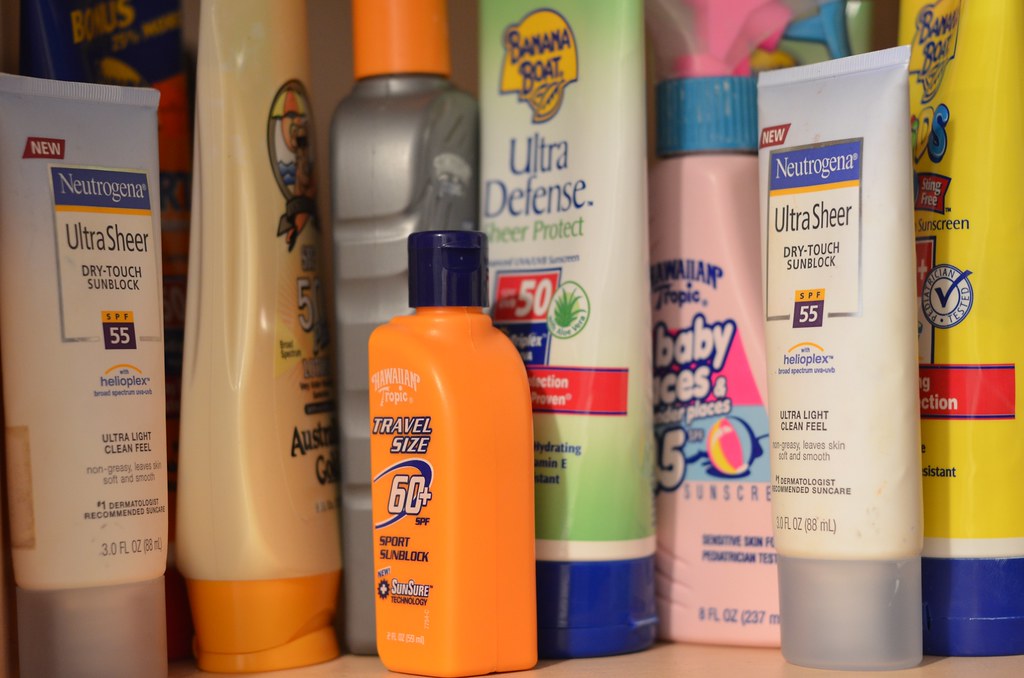
Best Sunscreen in 2025
Trending Topic Right Now: Best Daily Routine Makeup tips for beginners
1. Understanding Sunscreen Basics
Before buying any sunscreen, it helps to know what the labels mean:
- SPF (Sun Protection Factor): Higher SPF gives longer protection from UVB rays. Dermatologists recommend SPF 30 or above.
- Broad-Spectrum: Protects against both UVA (aging rays) and UVB (burning rays).
- Water-Resistant: Useful for swimming or sweating, but still needs reapplication every two hours.
Some of the best sunscreens trending right now are:
- EltaMD UV Clear Broad-Spectrum SPF 46 – perfect for sensitive and acne-prone skin.
- Supergoop! Unseen Sunscreen SPF 50 – invisible finish, ideal under makeup.
- La Roche-Posay Anthelios Melt-In Milk SPF 60 – high protection suitable for face and body.
2. Best Sunscreen for Oily Skin
If you struggle with shine and clogged pores, avoid heavy creams. The best sunscreen for face with oily skin is:
- Gel-based or water-based sunscreens
- Oil-free and non-comedogenic formulas
- Matte finish products to control shine
👉 Pro Tip: A lightweight SPF 50 gel sunscreen works well for oily and acne-prone skin.
3. Best Sunscreen for Dry Skin
Dry skin needs hydration along with UV protection. Look for:
- Cream or lotion sunscreens with moisturizing ingredients
- SPF 30 or higher for daily use
- Formulas containing hyaluronic acid, glycerin, or ceramides
👉 Pro Tip: The best sunscreen for face with dry skin is a hydrating formula that doubles as a moisturizer.
4. Best Sunscreen for Sensitive Skin
If your skin reacts easily, you need gentle protection. Choose:
- Mineral sunscreens with zinc oxide or titanium dioxide
- Fragrance-free and hypoallergenic products
- Sunscreens with soothing ingredients like aloe vera or chamomile
👉 Pro Tip: A mineral-based SPF 30 sunscreen is the safest option for sensitive skin.
5. Best Sunscreen for Combination Skin
Combination skin needs a balance—hydration without greasiness. The ideal choice is:
- Lightweight lotions that won’t clog pores
- Broad-spectrum SPF 30–50
- Non-comedogenic formulas
👉 Pro Tip: Look for hybrid sunscreens that combine hydration and oil control.
6. Best Sunscreen for Acne-Prone Skin
Acne-prone skin requires extra care. Pick:
- Oil-free gel sunscreens
- Non-comedogenic products
- Formulas with niacinamide to calm inflammation
👉 Pro Tip: The best sunscreen for face with acne is a mattifying formula that keeps skin clear and protected.
7. How to Apply Sunscreen Correctly
Even the best sunscreen won’t work unless applied properly. Follow these steps:
- Use a teaspoon-sized amount for the face and neck.
- Apply 15–20 minutes before sun exposure.
- Reapply every 2 hours, especially outdoors.
- Don’t forget often-missed areas—ears, neck, and hands.
FAQs About Choosing Sunscreen
Q1: What SPF should I use daily?
A: SPF 30 or higher is recommended for everyday wear.
Q2: Can I use body sunscreen on my face?
A: It’s better to use sunscreen made for the face—it’s lighter and less likely to clog pores.
Q3: What’s the difference between mineral and chemical sunscreen?
A: Mineral sunscreens sit on top of the skin and reflect UV rays, while chemical sunscreens absorb and neutralize them.
Q4: Should I wear sunscreen indoors?
A: Yes, UVA rays can pass through windows, so daily sunscreen use is important.
Q5: How much sunscreen should I apply?
A: About a teaspoon for the face and neck, and two tablespoons for the entire body.
Conclusion: Find the Best Sunscreen for Your Skin
Choosing the right sunscreen depends on your skin type. For oily skin, go for lightweight gels; for dry skin, pick moisturizing creams; for sensitive skin, stick to mineral formulas; and for acne-prone skin, choose oil-free mattes.
No matter which best sunscreen for face or body you pick, the most important step is to use it daily. Consistency is the secret to protecting your skin and keeping it healthy, youthful, and glowing.
Nice article